Neurodivergent Coaching for Musicians, Artists and Creatives
Coaching that meets you where you are and helps you build a life and career you genuinely love.
You aren’t broken. You don’t need fixing...
Many neurodivergent creatives burn out trying to work within systems and expectations that don't take their needs into account.
There’s another way.
My coaching cuts through generic advice and helps you build practical, sustainable ways of working that fit your brain, your circumstances and your creative life.

Does any of this sound familiar?
The "Square Peg" Feeling: Constantly feeling like you do not fit in, or feeling like a fraud despite your skills and training.
The Friction of Starting: Wanting to dive into your work but feeling frozen by a heavy sense of resistance, as if you have hit a wall before you even begin.
Unfinished Ideas: Having endless, brilliant concepts but struggling when it comes to completion and follow-through.
The Burnout Cycle: Struggling to manage your energy, constantly overextending yourself, leading to fatigue and physical crashes.
Unstructured Days: Navigating time blindness, feeling unmoored by the irregular schedule of a creative life, or feeling deeply anxious during quiet, empty days.
Sensory Overload: Feeling utterly wiped out by intense sensory environments like loud rehearsal rooms, gigs, or studios, as well as the emotional weight of critique and rejection.
The Perfectionism Trap: Exhausting yourself trying to meet neurotypical standards rather than finding a joyful, authentic way to practice your craft.
If some of this sounds familiar, my coaching may be a good fit for you.
Together we’ll focus on finding real-world strategies that fit your creative ambitions and your lived reality. You need a way of working that respects both your creative drive and your physical reality, without having to choose between your art and your health, your schedule, or your family.
This isn't about forcing yourself to follow a conventional path, pushing through exhaustion, or waiting until you feel entirely confident. It's about building clarity, developing self-trust, and finding practical ways to move forward in your career without abandoning what matters to you.

”Hannah understands my ADHD-related challenges and the reality of life in the music industry.
Hannah is supportive, empathetic, and an exceptionally attentive listener. She tailors every session to my needs and helps me feel genuinely motivated to move forward. I highly recommend her to any neurodivergent creative.”
Marianne Sice, Musician
“Since having Hannah as my ADHD coach I have felt such a massive sense of relief and validation. She has helped me to develop a tool box of techniques and a mindset which has helped me understand myself better and look out for myself and my wellbeing.
She is also one of the most lovely people you will ever meet and has created a safe space where I feel comfortable to share my experiences.”
Laurel Smith, Singer-Songwriter
Who I work with
I support neurodivergent people across the performing arts, including:
Emerging musicians finding their footing in a challenging industry.
Established professionals navigating mid-career shifts or a late ADHD or autism diagnosis.
Music students in higher education trying to build sustainable habits early.
Artists living with chronic illness who need a practical way to pace their work.
Neurodivergent parents balancing creative commitments and family life.
Pricing and Options
I keep my client list small so I can give everyone my full attention. Because money and the music industry can be unpredictable, I use a tiered pricing system. Here are the three options:
Concessionary rate: £97 per hour
For: Musicians with low income or financial hardship.
How it works: I reserve a small number of places at this rate. No complicated application forms or proof required – just let me know if you need it.
Independent artists: £120 per hour
For: Independent musicians and performers paying for their own coaching.
Corporate, institutional, or funded: £150 per hour
For: Sessions paid for by an employer, record label, music college, or funding grants such as Access to Work.

Who am I?
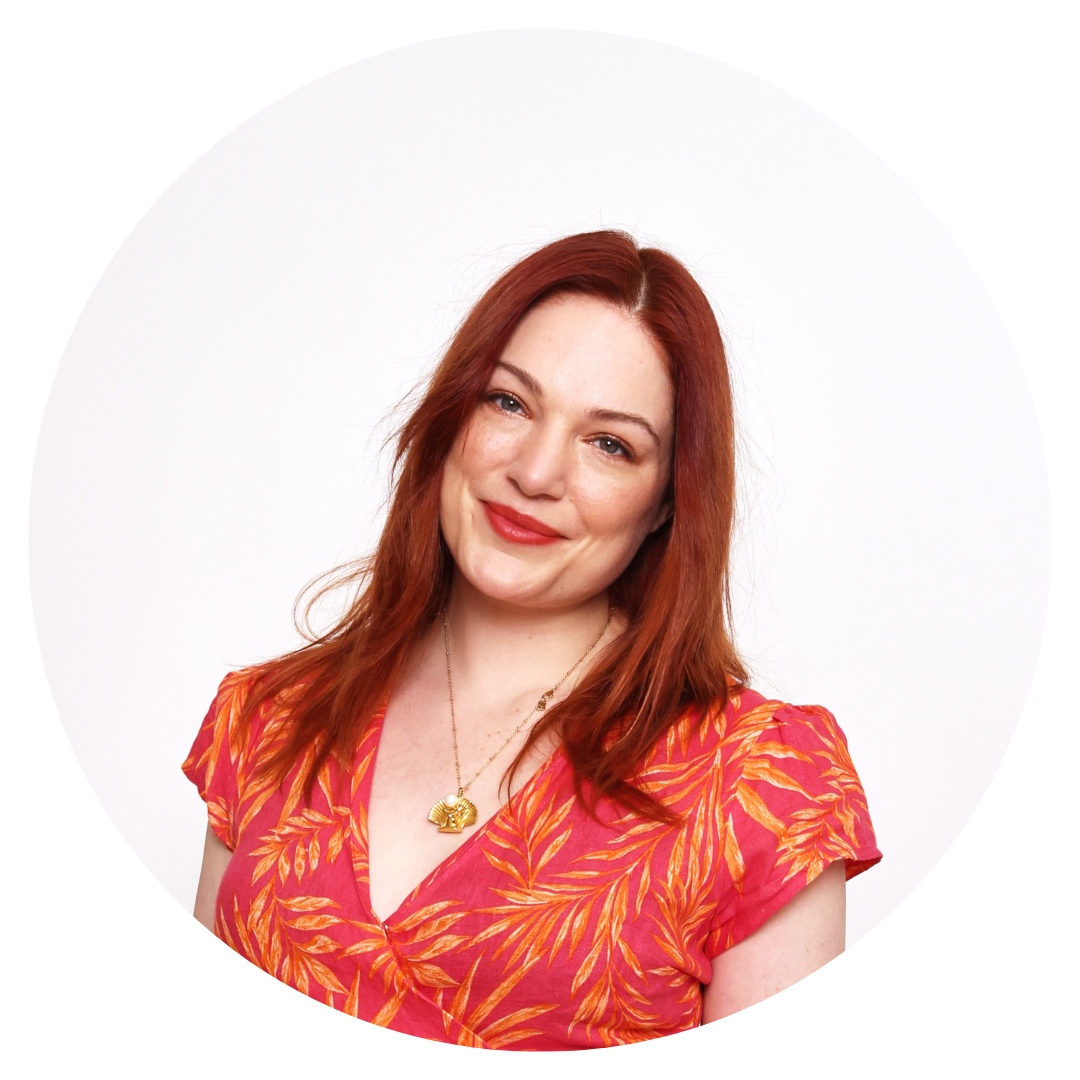
I am Hannah – a singer and certified advanced AuDHD coach, trained by renowned coach and author Leanne Maskell. Alongside my work as a vocal coach, I have spent over a decade supporting musicians and creative artists to build careers that honour their capacity, values and natural rhythm.
My experience working within the performing arts, combined with my coaching training, gives me a particular understanding of the sensory, emotional and practical demands that neurodivergent creatives can face.
My coaching is supportive, honest and practical. We can explore what is getting in your way and develop ways of working that fit your values, circumstances and creative life.
How coaching works
Our sessions are one-to-one, collaborative, and held entirely online. You are welcome to have your camera on or off, and to use whatever sensory supports help you concentrate.
Come as you are: Many people know they need support but have no idea where to start. That is entirely normal. You do not need to have a perfect plan or a list of goals figured out in advance.
Authentically you: I help you find mental clarity and alignment with your own values.
A real collaboration: Coaching is collaborative, but you remain the expert on your own life. I bring coaching knowledge, questions and perspectives; you decide what feels useful and what you want to work towards. We can think things through together and experiment with strategies that fit your circumstances.
Beyond productivity culture
Forget arbitrary goals, hustle culture, and neuro-normative expectations. We focus on your reality and where you want to go.
To give you an idea, I have collaborated with artists on things as varied as:
Pacing your energy: Designing a sustainable rhythm to finally break the exhausting "boom and bust" cycle.
Creative momentum: Getting past the friction of starting and bringing your ideas to fruition whilst honouring your capacity.
Navigating the industry: Preparing for high-stakes moments, like navigating A&R meetings as a neurodivergent artist.
Balancing clashing needs: Finding practical communication tools and setups for cross-neurotype relationships, whether at home or in the studio.
Boundaries without burnout: Learning how to hold and communicate healthy boundaries without triggering guilt.
The boring but essential stuff: Real-world body doubling to get through tricky but important life admin.
Life outside of work: Managing the realities of neurodivergent parenting, family commitments and personal advocacy.
Rejection sensitivity: Managing the emotional toll of industry critique and auditions without letting it derail your self-worth.
Crafting sensory self-care: Discovering your sensory profile and ways to honour your sensory needs.
Because we are focusing on your day-to-day reality, our work is based in the here and now. This isn't therapy or prescriptive advice, but a practical, collaborative partnership built to help you flourish on your own terms.

How to get started
To keep things calm and accessible, the first step is a short enquiry form. It gives you space to share where you’re at without any on-the-spot pressure, and you don’t need to have everything figured out before you get in touch.
I’ll read your enquiry personally and get back to you by email. If it sounds like we might be a good fit, I’ll invite you to book your first session at your agreed rate.
If you need a concessionary rate, just let me know in the form - no awkward questions or proof required.
Sessions are booked individually, so there’s no ongoing commitment - you can book further sessions whenever it feels useful.
Do I have to sign up for a block of sessions?
No. You are never locked into a set number of sessions, and you are welcome to book ad hoc. Because my practice is small and intentional, ongoing work is flexible and subject to mutual agreement session by session. Neurodivergent coaching often benefits from consistency and sustainable habits, so regular sessions can be useful. After our first meeting, you can decide whether you'd like to continue and, if so, what frequency works for you.